Why Are Strip Brushes Used in Conveyor Systems for Product Guiding and Dust Control?
Release time: 2026-09-11
Table of Contents
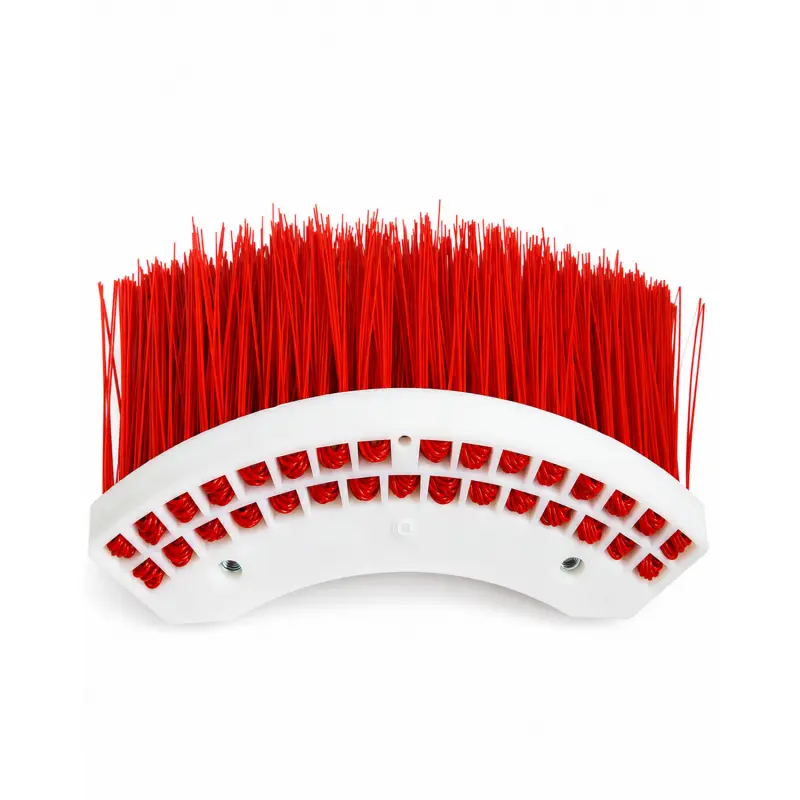
Conveyor systems are an important part of modern manufacturing, packaging, and material handling. As production lines become more automated, keeping products in the right position while controlling dust and other contaminants becomes increasingly important. In these situations, a flexible brush solution can often be more practical than rigid components. This is where a Strip Brush for Conveyor Systems can provide useful support.
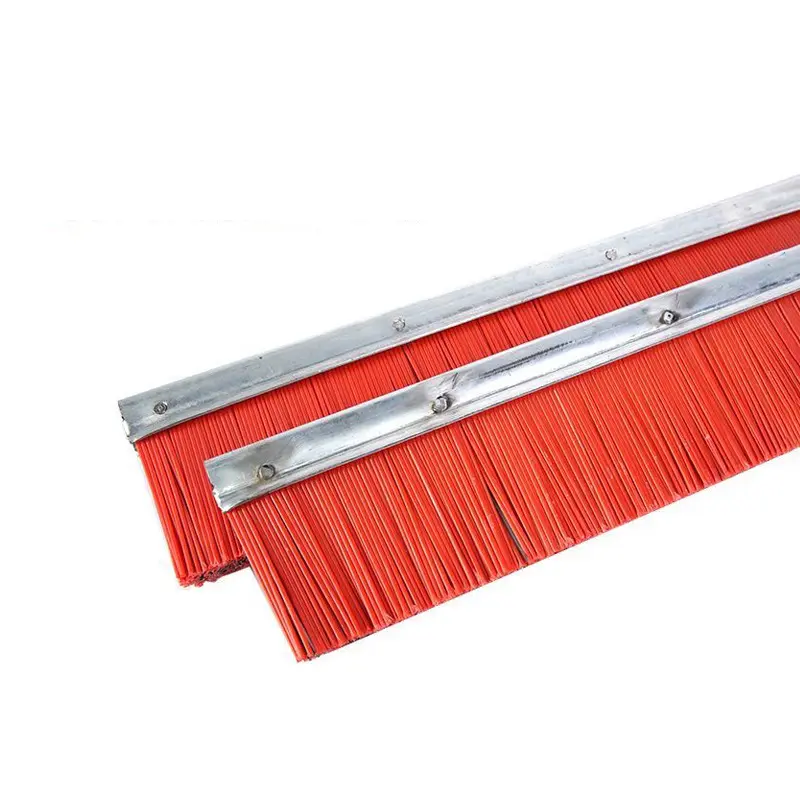
A strip brush can be installed along conveyor edges, machine openings, transfer points, and other areas where controlled contact is required. Its flexible bristles can help guide products, reduce dust movement, and provide a protective barrier without creating excessive pressure on the conveyed material.
Why Do Conveyor Systems Need Strip Brushes?
During continuous conveying, products may shift because of vibration, changes in conveyor direction, gaps between equipment, or differences in product dimensions. At the same time, production processes can generate dust, particles, or other contaminants around the conveyor line.
A strip brush provides a simple way to address these problems. Instead of using a solid guide or fixed barrier, the bristles create a flexible contact surface that can adapt to products as they move through the line.
For manufacturers, this flexibility is particularly useful when the same conveyor handles products with slightly different sizes or shapes. A properly selected brush can maintain contact while allowing products to continue moving smoothly.
How Does a Conveyor Strip Brush Help Guide Products?
Product guiding is one of the practical applications of a Conveyor Strip Brush. On automated production lines, products need to remain within a defined path as they move between processing, packaging, inspection, and transfer stages.
A strip brush can be positioned beside the conveyor to create a soft guiding surface. When a product moves slightly toward the edge, the bristles provide gentle resistance and help redirect it toward the intended path.
This approach can be useful when the conveyed products have irregular surfaces or require careful handling. Compared with a completely rigid contact surface, flexible bristles can accommodate minor variations in product shape and reduce the risk of harsh contact.
The exact brush configuration depends on the application. Bristle length, density, material, and base profile can all affect how the brush performs during continuous conveying. For this reason, selecting a brush based only on its appearance or overall dimensions may not provide the best result.
How Can Strip Brushes Help Control Dust?
Dust control is another reason strip brushes are used around conveyor equipment. During material handling, dust can escape through equipment openings, gaps, and transfer areas. If these areas remain open, particles can spread into the surrounding production environment.
A strip brush can act as a flexible barrier around these openings. The closely arranged bristles cover part of the gap while still allowing products, equipment components, or moving parts to pass through.
This does not mean that a strip brush creates a completely airtight seal. Instead, it helps reduce the movement of dust and particles through selected areas of the conveyor system.
For applications where dust accumulation is a concern, brush material and density should be selected according to the operating environment. A suitable configuration can provide a balance between sealing performance and the freedom of movement required by the conveyor.
How Should You Choose a Strip Brush for a Conveyor System?
Choosing the right brush requires more than simply selecting a standard size. The conveyor design, conveyed material, installation position, and working environment should all be considered.
Consider the Bristle Material
Different conveyor applications require different levels of flexibility, wear resistance, and durability. The characteristics of the conveyed material and the type of contact should therefore be considered before choosing the bristle material.
Check Bristle Length and Density
Bristle length affects the contact area and the ability of the brush to cover gaps. Higher density may be useful when stronger dust control is required, while a different configuration may be more suitable when products need to move freely through the brush.
Match the Base and Installation Method
The brush needs to fit the available installation space. Depending on the conveyor design, different base structures can be used for mounting the brush along edges, openings, machine frames, or other areas.
Consider the Working Conditions
Conveyor speed, operating frequency, dust levels, temperature, and expected service life can all influence brush selection. For continuous industrial operation, durability should be considered alongside the initial dimensions and cost.
For specialized applications, a product such as a Concrete Block Strip Brush may be configured according to the requirements of the equipment and material being handled. The objective is not simply to add a brush to the conveyor, but to select a configuration that performs reliably under actual working conditions.
Why Choose Weide Brush for Industrial Conveyor Applications?
Every conveyor system has its own operating conditions. A standard brush may work well in one application but require modification for another because of differences in installation space, product dimensions, contact requirements, or operating conditions.
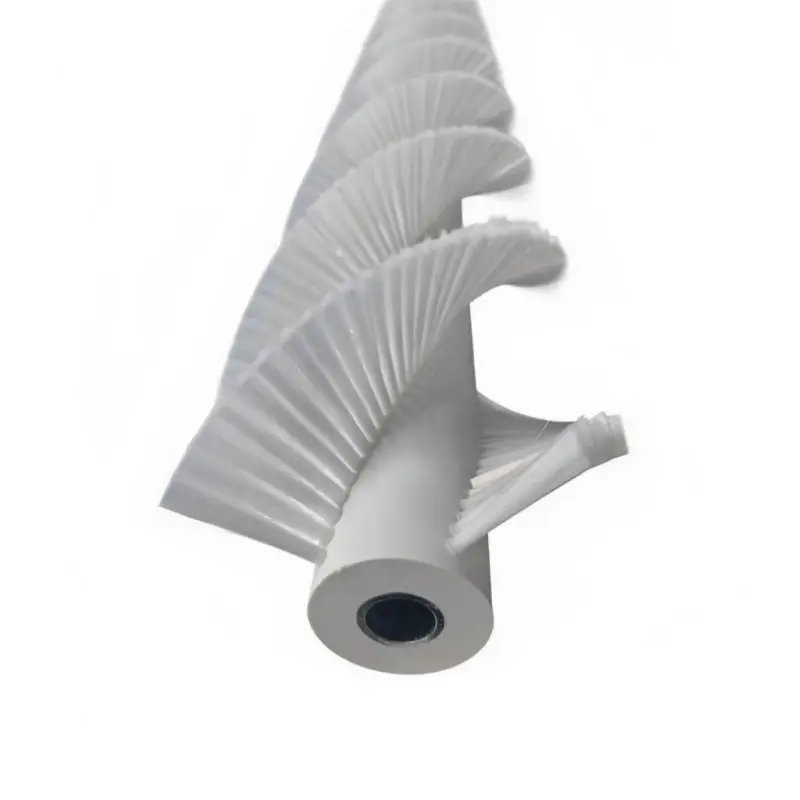
Weide Brush focuses on industrial brush solutions designed around specific application requirements. Its range of Industrial Brush products includes strip brush solutions that can be adapted for different industrial equipment and working environments.
For conveyor applications, factors such as bristle material, brush length, density, base structure, and installation method can be considered together. This makes it easier to develop a brush solution for product guiding, dust control, or other requirements along the production line.
Businesses looking for a suitable Strip Brush can therefore evaluate the brush according to the actual conveyor application rather than choosing a product based only on a standard specification.
The right strip brush should work as part of the conveyor system, supporting stable product movement and helping manage dust or unwanted gaps without interfering with normal production.
FAQ
What is a Strip Brush for Conveyor Systems used for?
A Strip Brush for Conveyor Systems can be used for product guiding, dust control, gap protection, and flexible separation around conveyor equipment. Its application depends on the conveyor design and the type of material being transported.
Can a Conveyor Strip Brush help control dust?
Yes. A strip brush can cover gaps and openings around conveyor equipment and reduce the movement of dust and particles. The bristle material, length, and density should be selected according to the specific working environment.
How do you choose the right Strip Brush for a conveyor system?
Consider the conveyed material, bristle material, bristle length and density, installation position, base structure, conveyor speed, and operating environment. For customized equipment, these factors should be evaluated together.
Can Strip Brushes be customized for different conveyor systems?
Yes. Strip brushes can be configured according to different equipment dimensions, installation requirements, bristle specifications, and application conditions. Customization is particularly useful for non-standard conveyor systems.
What type of Industrial Brush is suitable for product guiding?
A flexible strip brush is often suitable when products need gentle side guidance or controlled contact during conveying. The appropriate brush configuration depends on the product size, surface, conveyor speed, and required guiding distance.