What Should You Consider When Choosing a Wafer Brush for Road Sweepers?
Release time: 2026-09-18
Table of Contents
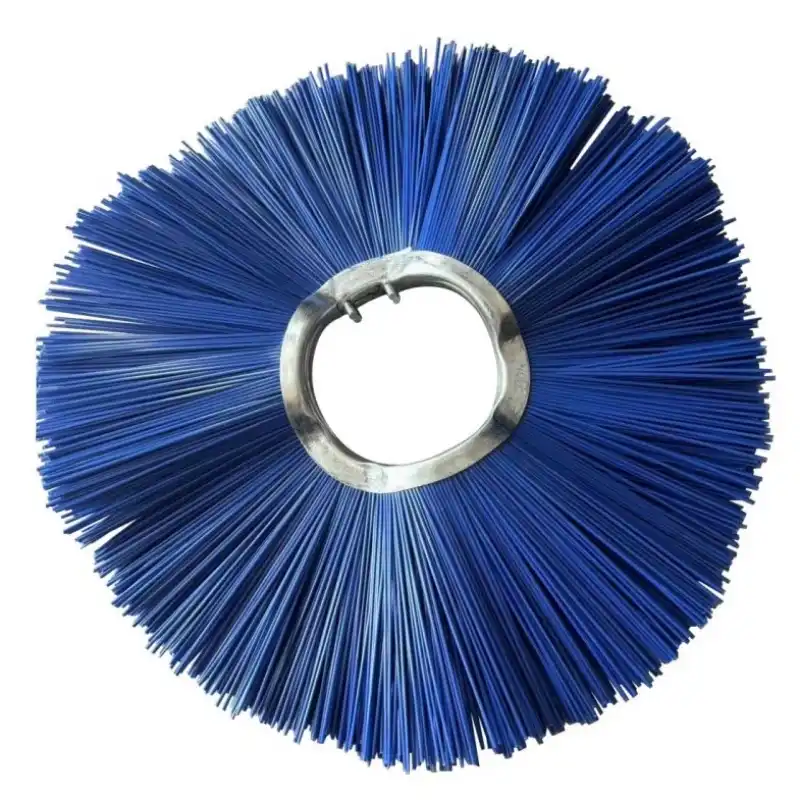
A road sweeper can only perform as well as the brush system that does the actual cleaning. For municipal roads, construction sites, airport runways, and industrial yards, the brush needs to remove dust, sand, leaves, gravel, or snow without wearing out too quickly. This is why choosing the right Wafer Brush involves more than checking the outside diameter or comparing prices. The sweeper model, mounting dimensions, bristle material, working surface, and cleaning intensity all affect how the brush performs in real conditions.
A good brush should match both the machine and the job. A configuration that works well for routine street cleaning may not be the best option for heavy-duty construction debris or winter snow removal. Understanding these factors before ordering can help operators improve sweeping consistency, reduce unnecessary wear, and avoid frequent brush replacement.
Sweeper Machine Compatibility and Brush Dimensions
The first step is making sure the brush physically matches the sweeper. Wafer brushes are commonly installed as individual sections, so dimensions need to be checked carefully before production or replacement. The inner diameter should fit the machine’s core or mounting system, while the outer diameter and bristle length determine the working area and contact with the surface.
It is also important to consider the overall configuration rather than one measurement alone. A brush with the correct inner diameter may still perform poorly if the outside diameter or bristle length does not suit the machine. Operators should therefore confirm the sweeper model, installation structure, required brush dimensions, and available mounting space before ordering. For replacement applications, checking the dimensions of the existing brush can also provide a useful starting point.
Bristle Material for Different Sweeping Requirements
Bristle material has a direct effect on cleaning performance, wear resistance, and surface contact. Common options for a Sweeper Wafer Brush include polypropylene (PP), steel wire, and mixed PP and steel wire configurations. Each option provides a different balance between flexibility and cleaning strength.
PP bristles are suitable for many routine sweeping applications where flexibility and general cleaning performance are important. Steel wire provides a more aggressive brushing action and can be useful for demanding environments where tougher debris needs to be removed. Mixed configurations combine different bristle characteristics and can offer a practical balance when the working conditions vary.
| Bristle Type | Typical Characteristics | Suitable Applications |
| PP | Flexible, lightweight, good general cleaning | Roads, yards, routine sweeping |
| Steel Wire | More aggressive and wear-resistant | Heavy-duty debris, demanding surfaces |
| PP + Steel Wire | Balanced flexibility and cleaning strength | Mixed or variable sweeping conditions |
The best material depends on the actual cleaning job rather than simply choosing the hardest bristle available.
Working Conditions and Road Surface
Once machine compatibility and bristle material have been considered, the next question is where the brush will operate. Asphalt, concrete, paved areas, construction sites, and airport runways can create very different working conditions. The amount and type of debris also matter. Fine dust and leaves require a different brushing action from gravel, compacted dirt, or snow.
Operating frequency should also be considered. A sweeper used for several hours every day may require a more wear-resistant configuration than a machine used occasionally. Similarly, winter applications can expose brushes to low temperatures, moisture, and heavier materials. A Road Sweeper Brush should therefore be selected according to the complete working environment, including surface condition, debris type, operating frequency, and expected cleaning intensity.
Sweeping Performance and Brush Service Life
There is always a balance between cleaning performance and brush life. Applying excessive pressure may improve immediate contact with the surface, but it can also accelerate bristle wear. On the other hand, insufficient contact may leave debris behind and reduce cleaning efficiency.
Machine speed, brush rotation, contact pressure, bristle density, and brush dimensions all contribute to the final result. Operators should avoid assuming that a harder or more aggressive brush will automatically provide better performance. The right configuration is one that removes the required debris effectively while maintaining stable contact and reasonable wear. Regular inspection is also useful for identifying uneven wear, damaged sections, or changes in sweeping performance before they affect the entire cleaning operation.
Replaceable Wafer Design for Easier Maintenance
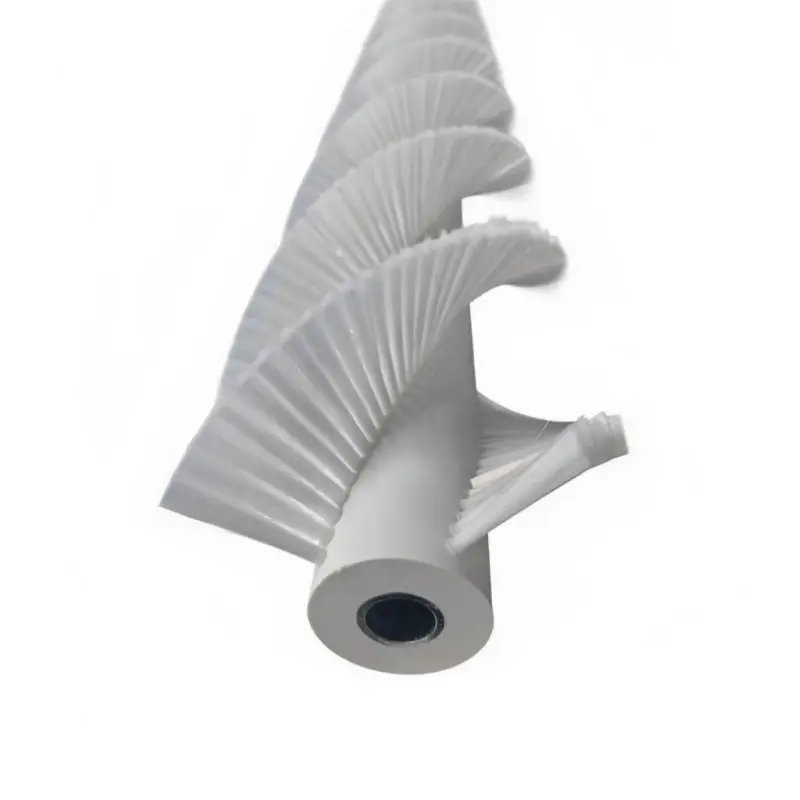
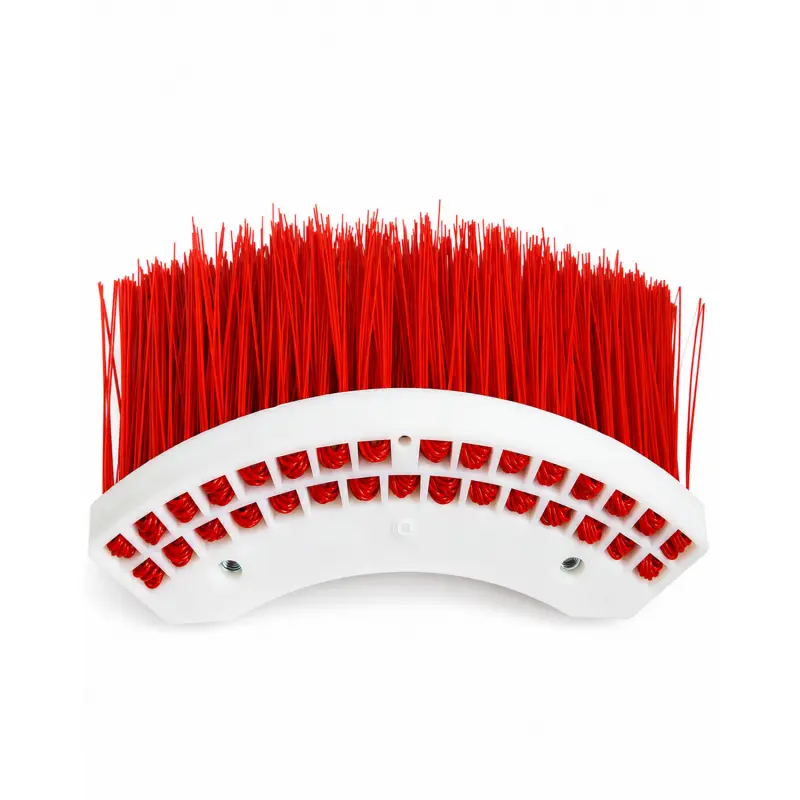
One practical advantage of wafer-style brush construction is the ability to replace individual sections when they become worn. This can be particularly useful for road sweepers that operate frequently or in abrasive environments. Instead of replacing an entire brush assembly, operators can replace worn wafers and keep usable components in service.
This approach can simplify routine maintenance and potentially reduce replacement costs over the operating life of the equipment. It can also shorten maintenance downtime when replacement sections are prepared in advance. For fleet operators managing multiple sweepers, a replaceable design provides additional flexibility because different brush configurations can be prepared according to individual machine and application requirements.
Applications Beyond Routine Road Sweeping
Although road cleaning is a major application, wafer-style brushes can be used in several other demanding environments. Construction sites may require brushes capable of handling sand, gravel, and heavier debris, while airport runway maintenance places greater emphasis on consistent surface cleaning. Snow removal is another application where brush configuration and material selection become especially important.
Industrial yards, parking areas, and other large paved spaces can also benefit from appropriately configured sweeping brushes. The common factor is that the brush must work with the machine and the specific surface conditions. Instead of using one standard configuration for every application, manufacturers and operators can adjust brush dimensions and filament options to achieve more suitable performance.
When Should You Choose a Custom Wafer Brush?
Standard brush dimensions are not always enough when a sweeper has specific mounting requirements or operates under unusual conditions. Customization may be useful when the machine requires a particular inner diameter, outer diameter, bristle length, or filament combination.
Before requesting a custom brush, it is helpful to provide the supplier with the sweeper model, existing brush dimensions, mounting information, working environment, and preferred bristle material. Additional details such as cleaning frequency and the type of debris being removed can also help determine a suitable configuration. A Custom Wafer Brush should be designed around the actual application rather than customized simply for the sake of having different dimensions.
How to Choose the Right Wafer Brush for Your Sweeper
A practical selection process can be kept relatively simple. Start with the machine and confirm the physical dimensions required for installation. Then consider the surface, debris, operating frequency, and cleaning intensity. Finally, select the bristle material and configuration that provide the right balance between cleaning performance and service life.
For replacement projects, the existing brush can provide useful dimensional information, but the working conditions should also be reviewed. If the old brush wore out unusually quickly or failed to remove certain debris effectively, simply ordering an identical replacement may not solve the underlying problem. Reviewing the application with the supplier can help identify whether a different filament material, brush size, or configuration would be more appropriate.
FAQ
What is a wafer brush used for?
Wafer brushes are commonly used with road sweepers and other sweeping equipment for removing dust, dirt, leaves, gravel, and other debris from paved surfaces. They can also be configured for applications such as snow removal, airport runway cleaning, and construction site sweeping.
Which bristle material is best for a road sweeper?
There is no single material that is best for every application. PP is suitable for many general sweeping tasks, while steel wire can provide more aggressive cleaning for demanding conditions. Mixed PP and steel wire configurations can be considered when both flexibility and stronger cleaning action are required.
How do I know what size wafer brush my sweeper needs?
Check the machine’s mounting system, inner diameter, outer diameter, bristle length, and existing brush configuration. The sweeper model and available installation space should also be confirmed before ordering a replacement or custom brush.
Can wafer brushes be customized for different sweeper machines?
Yes. Depending on the application, dimensions, bristle length, filament material, and other specifications can be customized to match different road sweepers and working conditions.