What Should You Check Before Ordering Custom Industrial Brushes?
Release time: 2026-10-15
Table of Contents
Ordering industrial brushes is not just about choosing a brush shape or filament material. The right brush needs to fit your equipment, handle the demands of your production process, and deliver the surface finish you expect. A brush that looks suitable on paper may still cause uneven polishing, excessive wear, or unnecessary downtime if its dimensions and construction are not properly matched to the application.
Before placing an order, it helps to review several practical factors, including brush dimensions, filament material, bristle density, mounting design, and working conditions. These details are especially important when purchasing brushes for automated production lines or specialized surface treatment tasks. By discussing your requirements clearly with the manufacturer, you can reduce the risk of receiving a brush that needs adjustments after delivery.
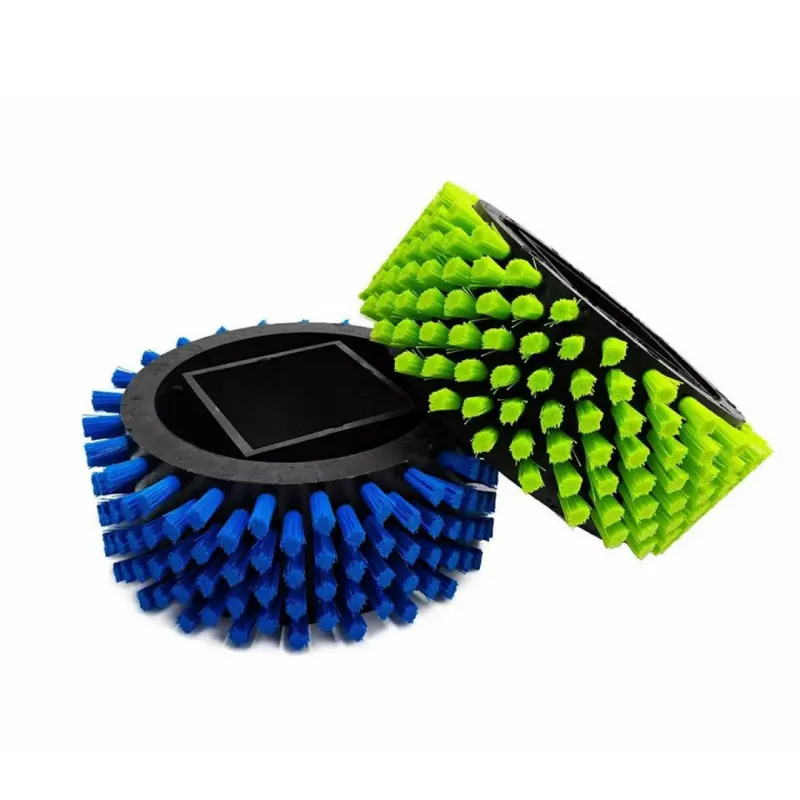
Define the Application and Required Surface Finish
The first step is to identify exactly what the brush needs to do. Industrial brushing can involve polishing, cleaning, deburring, dust removal, surface preparation, or material finishing. Each process places different demands on the brush, so the intended application should guide every other specification.
For example, polishing stainless steel sinks requires consistent contact across the workpiece and a controlled finishing effect. A brush used for removing heavy contamination from metal components may need a different filament type and construction. Woodworking applications also have their own requirements, particularly when the goal is to smooth edges, remove fine dust, or create a uniform surface texture.
It is equally important to describe the desired result. Do you need a satin finish, light polishing, effective residue removal, or more aggressive surface treatment? If possible, provide photographs of the workpiece, samples of the current finish, and details about any surface defects you want to avoid. Clear application information helps the manufacturer recommend a suitable brush instead of relying on assumptions.
Check Brush Dimensions and Mounting Compatibility
Even a well-designed brush will not perform properly if it does not fit the machine. Before ordering custom industrial brushes, confirm the overall length, working width, outer diameter, inner diameter, shaft dimensions, and mounting method. The exact measurements depend on the brush design, so avoid using general dimensions without checking your equipment requirements.
For cylindrical brushes and roller brushes, pay particular attention to the core construction, shaft arrangement, and available installation space. A mismatch in the inner diameter or mounting configuration can prevent installation or create alignment problems during operation. For automated equipment, the brush must also be compatible with the machine’s operating speed and contact pressure.
A simple specification sheet can make communication easier:
| Specification | What to Confirm |
| Brush dimensions | Length, width, diameter, and available space |
| Mounting design | Shaft, inner diameter, and connection method |
| Filament material | Fiber type, stiffness, and application suitability |
| Operating conditions | Speed, temperature, moisture, and contact pressure |
| Surface finish | Required polishing, cleaning, or finishing result |
If the brush is being replaced, providing the original sample or technical drawing can help the manufacturer verify critical dimensions before production.
Choose the Right Filament Material
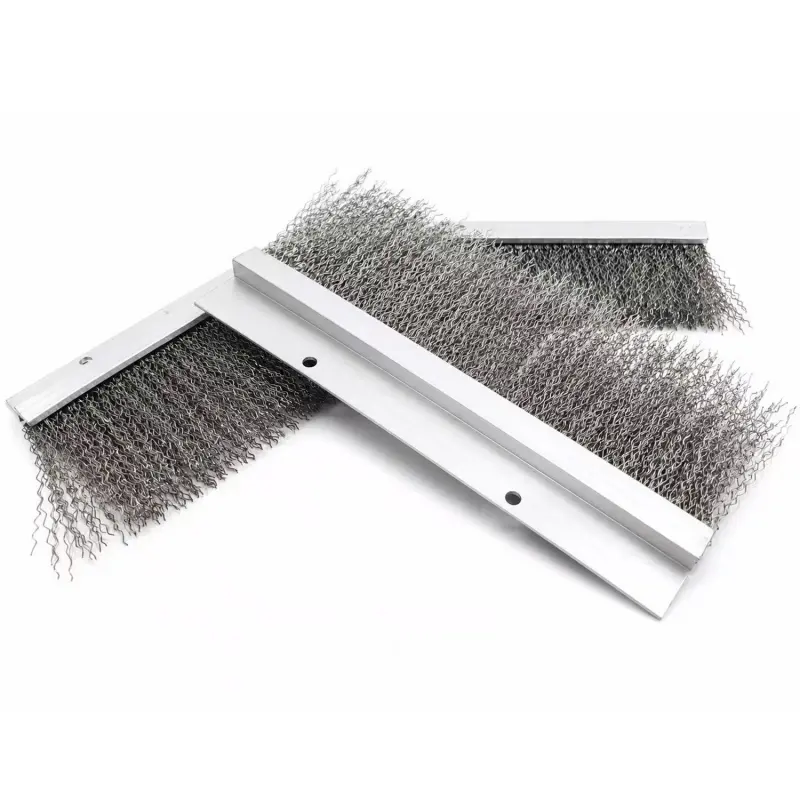
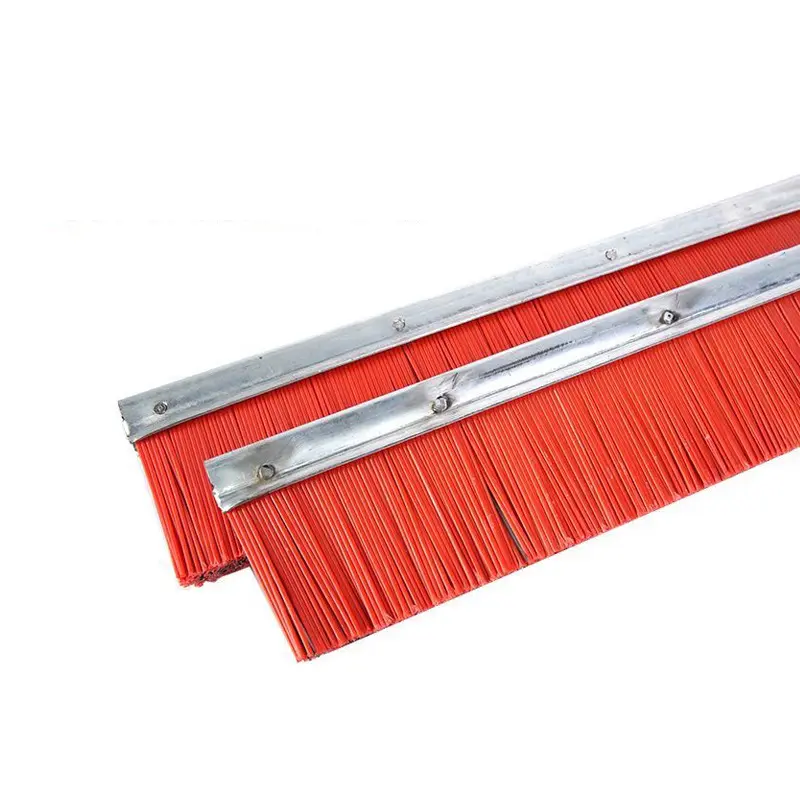
Filament selection directly affects brushing performance, surface quality, and service life. Common options include nylon, polypropylene, steel wire, abrasive nylon, and natural fibers. Each has different characteristics, and the best choice depends on the material being processed and the level of surface treatment required.
Synthetic filaments are often considered for applications requiring consistent dimensions and specific mechanical properties. Steel wire may be appropriate for more demanding cleaning or surface preparation tasks, provided the workpiece can tolerate the contact. Natural fibers, including sisal and Tampico, can be useful for certain polishing and finishing operations where flexibility and controlled surface contact matter.
When evaluating an industrial brush, do not select the filament based on material name alone. Ask about filament diameter, stiffness, density, and how the brush is expected to behave under your actual operating conditions. A filament that is too stiff may leave unwanted marks, while one that is too soft may not deliver enough cleaning or polishing action. The manufacturer should consider the workpiece material, finish requirements, and production environment before recommending a configuration.
Consider Bristle Density and Brush Construction
Bristle density influences how the brush contacts the workpiece and how consistently it performs across the working surface. A denser brush may provide more uniform contact in some finishing applications, while a more open structure may help accommodate debris or suit a different brushing process. There is no single density that works best for every application.
The brush core and filament arrangement also matter. Depending on the design, filaments may need to withstand repeated contact, rotation, or continuous production cycles. If the brush is used on an automated line, consistent construction can help maintain predictable performance across multiple workpieces.
Explain the required finish and production conditions when discussing construction with the supplier. If your current brush leaves uneven marks or wears out too quickly, describe the problem rather than simply requesting a denser or harder brush. Uneven results can come from several factors, including incorrect mounting, excessive pressure, unsuitable filament material, or inconsistent machine settings. A clear description of the issue gives the manufacturer a better starting point for recommending changes.
Use a Sisal Polishing Brush as a Practical Example
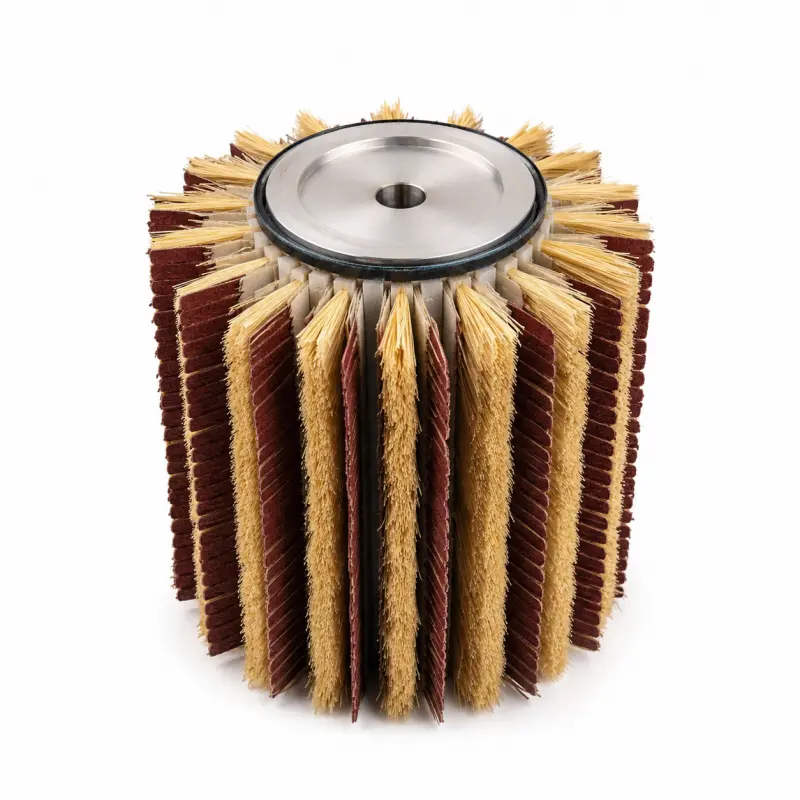
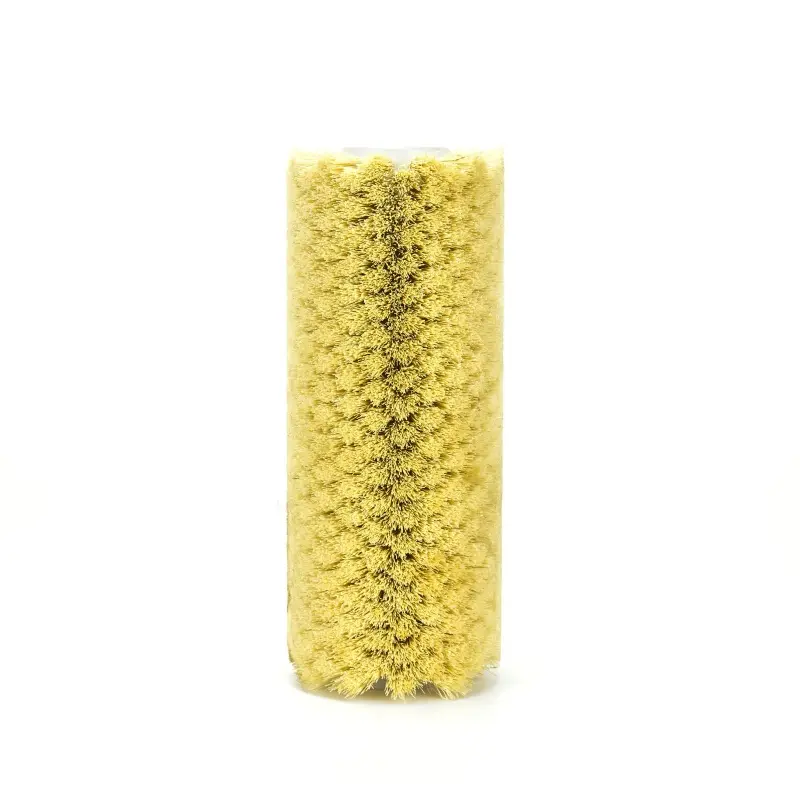
A Sisal Polishing Brush illustrates why brush specifications should be matched to a specific manufacturing process. In stainless steel sink production, the brush may be used for polishing, removing fine residue, and helping create a consistent satin or semi-polished finish. Natural sisal or Tampico fibers can be suitable for certain finishing tasks, depending on the workpiece, machine setup, and desired surface appearance.
For this application, the buyer should confirm the brush dimensions, mounting arrangement, fiber type, and bristle configuration. One available design offers a brush length of 130–200 mm, a width of 80–150 mm, and an inner diameter of Φ14–25 mm, with customized dimensions available. These are reference ranges for the specific product, not universal dimensions for all polishing brushes.
Before ordering, check that the selected size fits the polishing equipment and that the fiber configuration is appropriate for the required finish. Buyers can also ask whether samples or production based on drawings are available. Testing the brush on representative workpieces helps confirm fit and finishing results before committing to a larger order.
Evaluate Customization, Sampling, and Quality Control
A reliable supplier should be able to explain which brush features can be customized and what information is needed to manufacture the product accurately. Depending on the design, customization may include dimensions, core material, shaft configuration, filament type, bristle density, and mounting options. Drawings, samples, and detailed technical specifications can all help reduce misunderstandings.
Before confirming an order, ask how the manufacturer checks dimensions and verifies the finished brush. For specialized applications, it is also worth discussing sample availability, production lead time, packaging, and how repeat orders will be matched to the original specifications. These details are especially important when the brushes are used on production lines where inconsistent performance can affect product quality.
If the brush will be used for a critical finishing process, a sample test is often more useful than relying on a product description alone. Run the brush under conditions close to actual production and inspect the finish, contact pattern, debris removal, and wear. Feedback from this test can help identify whether the design needs adjustment before bulk production begins.
FAQ
1. What information should I provide when ordering a custom industrial brush?
Provide the intended application, workpiece material, required surface finish, brush dimensions, mounting requirements, operating speed, and working conditions. Drawings, photographs, or an existing brush sample can help the manufacturer confirm the design.
2. How do I choose between natural and synthetic brush filaments?
Consider the required finishing effect, workpiece material, operating environment, and expected wear. Natural fibers such as sisal or Tampico may suit selected polishing applications, while synthetic or wire filaments may be more appropriate for other cleaning and surface preparation tasks.
3. Can industrial brushes be manufactured according to drawings or samples?
Many brush manufacturers offer customized production based on drawings, samples, or technical specifications. Confirm the available customization options, sample arrangements, minimum order quantity, and lead time with the supplier before placing an order.
4. Why should I test a brush before ordering in bulk?
A sample test helps verify machine compatibility, mounting accuracy, brushing performance, and the resulting surface finish. It can reveal problems early and reduce the risk of costly adjustments after bulk production.