Strip Brush vs. Roller Brush: Which Works Better for Industrial Cleaning?
Release time: 2026-10-22
Table of Contents
Choosing between a strip brush and a roller brush depends on the cleaning task, the shape of the workpiece, and how the brush needs to interact with the equipment. Although both are widely used in industrial environments, they serve different purposes. A strip brush is often installed along machine edges, openings, and conveyor systems to control dust, remove loose debris, or provide flexible contact. A roller brush, by contrast, rotates against a surface to support continuous cleaning, material removal, or surface treatment.
Before comparing products, consider what the cleaning process actually requires. Does the equipment need a flexible barrier around a moving part, or does it need to clean a broad surface as products pass through a production line? The answer helps determine which design makes more sense. Understanding the differences between a strip brush vs roller brush also helps buyers evaluate installation requirements, filament materials, maintenance needs, and long-term operating costs. Neither design is universally better; the right choice is the one that fits the application.
What Is a Strip Brush and Where Is It Used?
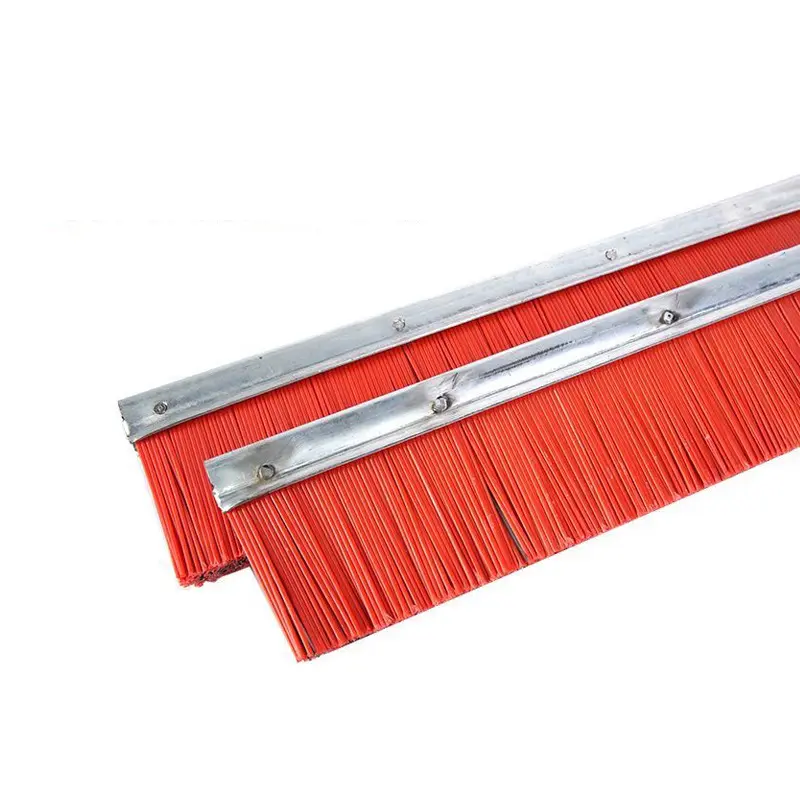
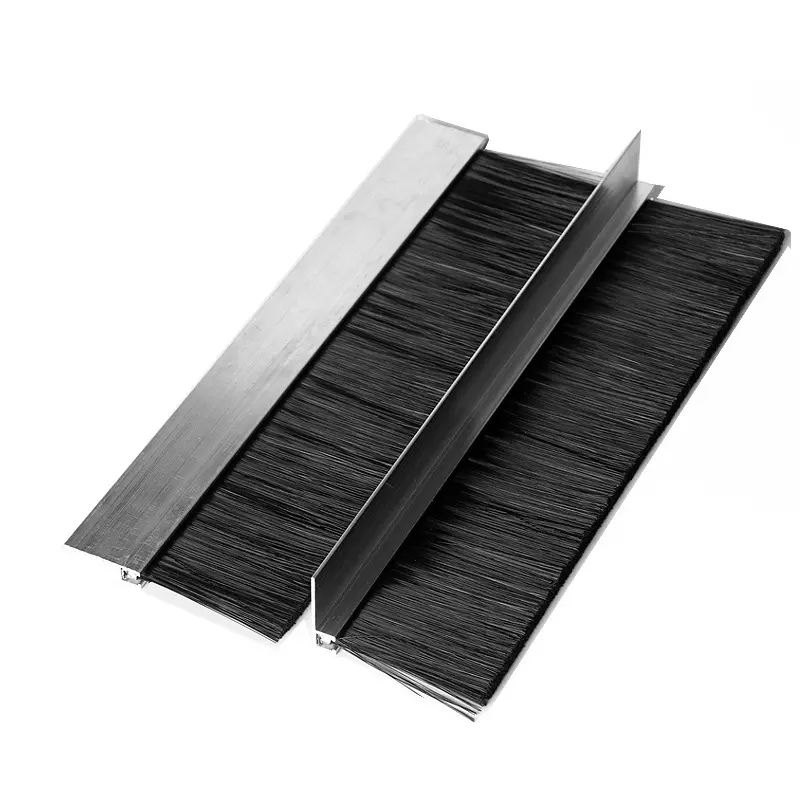
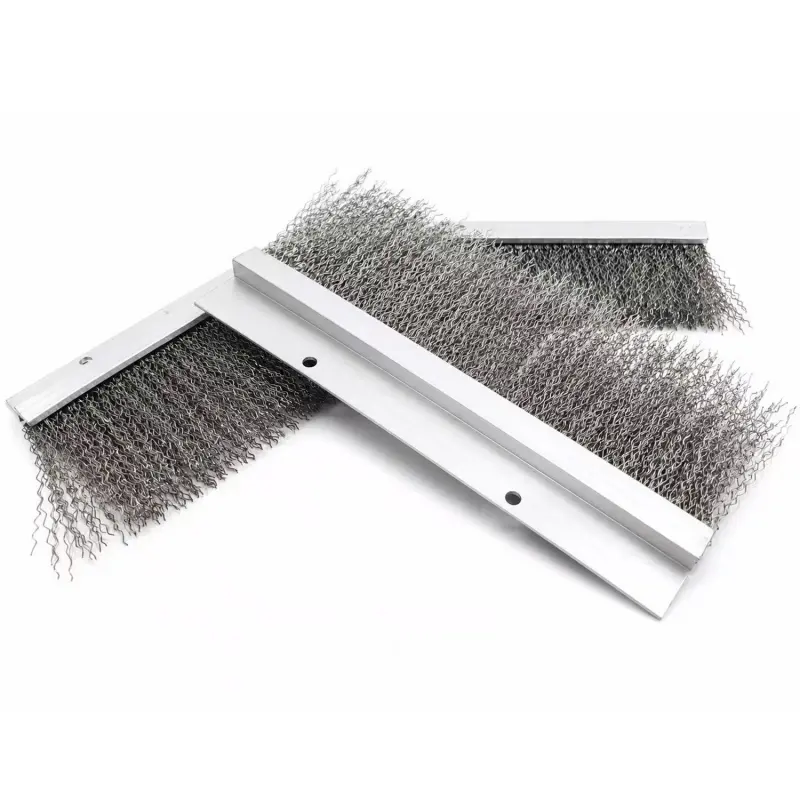
A strip brush consists of filaments secured in a narrow base, creating a linear brushing surface. Depending on the design, the base may be made from plastic or aluminum alloy, allowing the brush to be fitted into different mounting arrangements. This structure makes strip brushes useful where cleaning or contact needs to follow an edge, opening, or narrow section of equipment.
In industrial settings, strip brushes are commonly used for dust control, gap sealing, light cleaning, and protecting surfaces from unwanted contact. They can be installed around conveyor openings, machine doors, sliding components, and other areas where a rigid cover may interfere with movement. The flexible filaments help reduce the passage of loose particles while allowing components to move through the brush area.
The performance of an industrial strip brush depends on several factors, including filament material, bristle length, density, and contact pressure. A brush designed for dust control may require a different configuration from one used for surface treatment. Buyers should also confirm the base dimensions and fastening method to ensure that the brush fits the equipment securely. For many applications, the main advantage is its simple linear design and ability to work in confined spaces.
What Is a Roller Brush and How Does It Work?
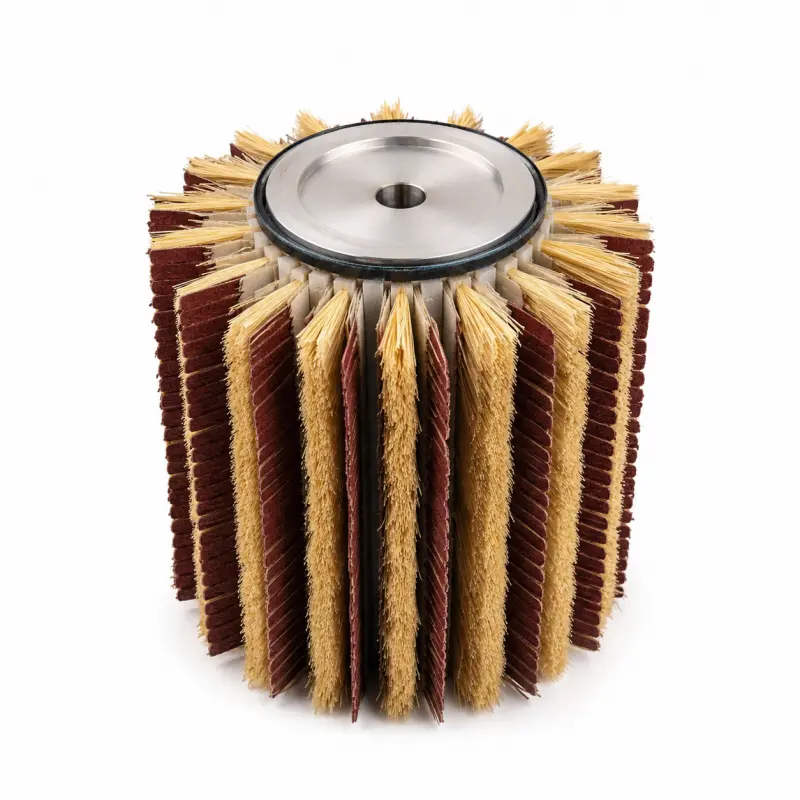
A roller brush uses filaments, sponge material, or another working surface arranged around a cylindrical body. During operation, the roller rotates while contacting the workpiece or moving material. This design makes it suitable for processes that require repeated contact across a surface, especially when products move continuously along a production line.
Roller brushes are used in a variety of industrial applications, including surface cleaning, dust removal, washing, polishing, and specialized processing. The actual function depends on the brush construction. A conventional filament roller may be selected for brushing or surface treatment, while a PVA sponge roller is designed for applications where liquid absorption and water removal are important.
For example, PVA sponge rollers can be used in processes involving glass, printed circuit boards, and metal sheets, depending on the equipment and product specifications. Their ability to absorb and remove water makes them useful in certain washing and drying stages. However, they should not be treated as interchangeable with every filament-based roller brush.
When selecting a roller cleaning brush, buyers should consider roller diameter, working length, rotation speed, contact pressure, and the material being processed. These factors influence cleaning consistency, surface protection, and wear during continuous operation.
Strip Brush vs. Roller Brush: Key Differences
The main difference lies in how each brush contacts the workpiece and how it fits into the production process. A strip brush provides a linear brushing surface that can follow an edge or form a flexible barrier. A roller brush rotates against the workpiece, making it suitable for repeated contact across a wider area.
| Selection factor | Strip Brush | Roller Brush |
| Contact method | Linear, flexible contact | Rotating surface contact |
| Common applications | Dust control, gap sealing, edge cleaning | Continuous cleaning, washing, surface treatment |
| Installation | Along edges, slots, and openings | Mounted on a rotating shaft or assembly |
| Main specifications | Base profile, filament length, density | Diameter, working length, speed, material |
| Maintenance focus | Filament wear and mounting condition | Surface wear, alignment, rotation, and bearings |
These differences are a starting point rather than a universal rule. A strip brush can perform cleaning tasks, and a roller brush can serve specialized functions beyond ordinary surface cleaning. The important question is whether the brush geometry matches the workpiece and the way the equipment operates.
For example, a machine opening that needs dust control may benefit more from a strip brush than a rotating assembly. A production line that needs to remove water from a moving sheet may be better suited to a PVA sponge roller. Matching the brush to the task is more useful than choosing based on product type alone.
How to Choose the Right Brush for Your Equipment
Start by identifying the target surface and the required result. If the priority is reducing dust movement around an opening or cleaning a narrow edge, a strip brush may be the more practical option. If the process requires repeated contact across a moving surface, a roller brush may provide more consistent coverage.
Next, consider the workpiece material. Glass, coated metal, plastic, and electronic components can have different sensitivity to abrasion and pressure. The selected filaments or sponge material must provide the required cleaning performance without damaging the surface. For delicate materials, sample testing is especially important.
Equipment design is another major factor. Strip brushes need compatible mounting dimensions and enough space for the filaments to deflect. Roller brushes require suitable shaft or assembly dimensions, adequate clearance, and an appropriate drive arrangement. For powered rollers, operating speed and contact pressure should be confirmed before installation.
Finally, consider maintenance and replacement. A brush that is easy to access and replace may reduce downtime, particularly in continuous production environments. Compare expected wear, cleaning consistency, replacement frequency, and installation requirements rather than focusing only on the initial purchase price.
When Should You Consider a Custom Industrial Brush?
Standard brushes are suitable for many common applications, but some production lines have unusual dimensions, specific mounting requirements, or demanding working conditions. In these cases, a custom industrial brush may provide a better fit than modifying equipment around an unsuitable standard product.
Customization may involve the base profile, brush length, filament material, bristle density, roller diameter, or working surface. For a strip brush, the goal may be to match a narrow mounting channel or achieve a particular contact pattern. For a roller brush, the design may need to match the width of the workpiece or the operating requirements of a washing or finishing process.
When contacting a manufacturer, provide the equipment drawing, working dimensions, workpiece material, operating speed, temperature, moisture exposure, and the intended cleaning result. Photos of the existing brush and details about any performance problems can also help clarify the requirements.
A capable supplier should be able to explain which specifications are necessary and whether the proposed design is appropriate for the application. Where performance is critical, request a sample or trial run before placing a large order. Testing under actual working conditions can reveal problems with fit, surface compatibility, or wear before they affect production.
FAQ
1. Is a strip brush better than a roller brush for industrial cleaning?
Not in every situation. Strip brushes are often suitable for edge cleaning, dust control, and flexible contact around equipment openings. Roller brushes are generally better suited to processes requiring rotating contact across a surface. The application determines which design is more appropriate.
2. Can a roller brush be used for water removal?
Yes. Certain roller designs, including PVA sponge rollers, can absorb and remove water from surfaces such as glass, metal sheets, and other compatible materials. Performance depends on the sponge specification, equipment design, and operating conditions.
3. What should I check before ordering a replacement brush?
Confirm the dimensions, mounting arrangement, working material, operating conditions, and desired cleaning result. For roller brushes, also check the shaft or assembly dimensions and rotation requirements. For strip brushes, verify the base profile and filament dimensions.
4. Can strip brushes and roller brushes both be customized?
Yes. Depending on the manufacturer’s capabilities, customization may include dimensions, base design, filament material, density, roller construction, and other application-specific requirements. Providing accurate technical details helps ensure a suitable design.