
How Often Should You Replace an Industrial Roller Brush? 5 Signs of Brush Wear
Release time: 2026-10-08
Table of Contents
An industrial roller brush can keep working for a long time, but that does not mean it will always deliver the same results. As the bristles wear down, cleaning performance may decline, surface finishes can become inconsistent, and equipment may need more frequent adjustments. Knowing when to replace a brush helps avoid unnecessary downtime and keeps production running smoothly.
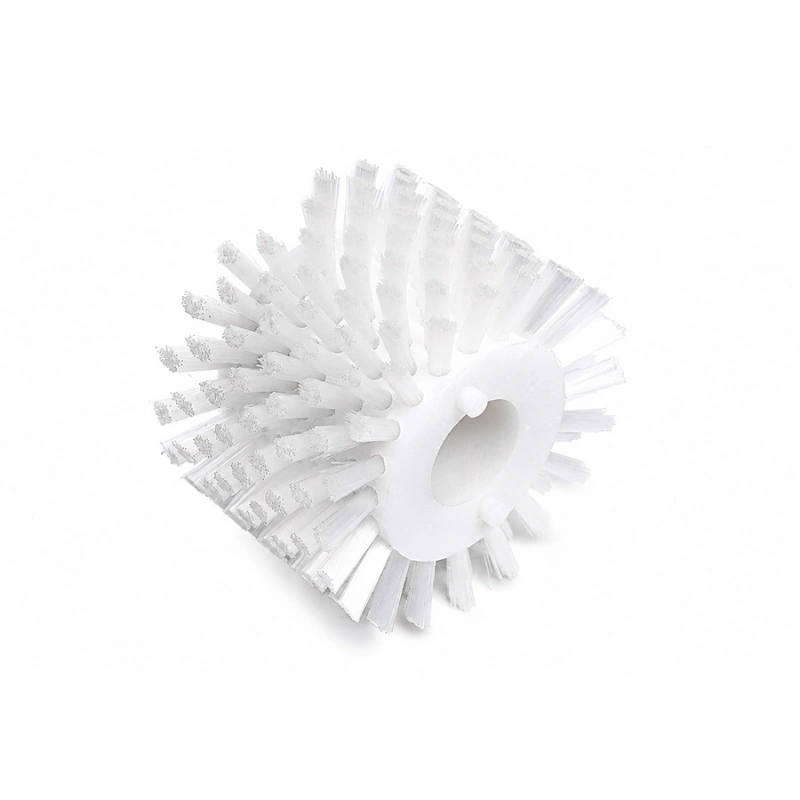
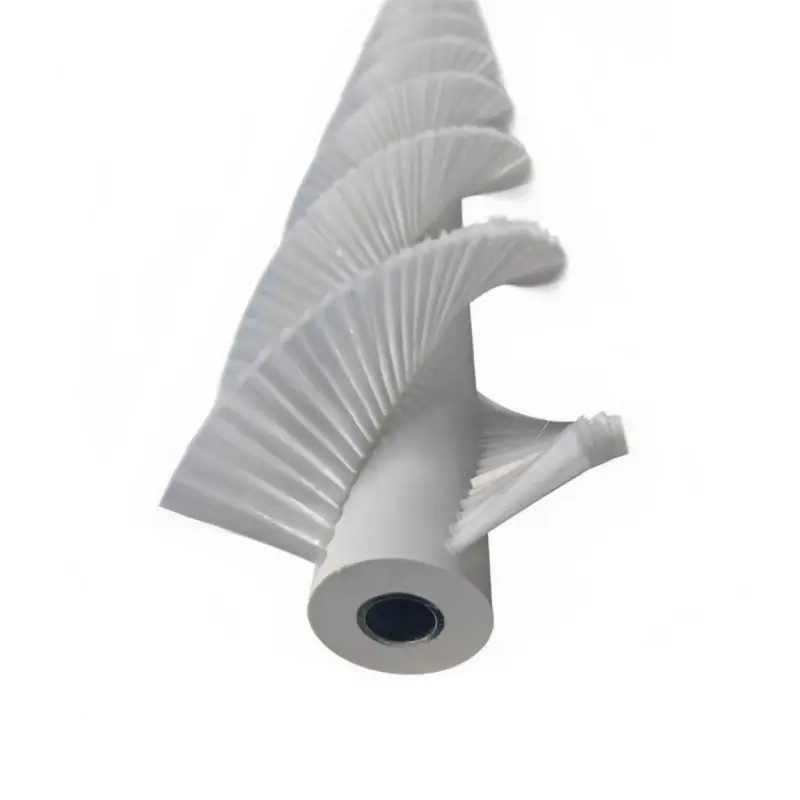
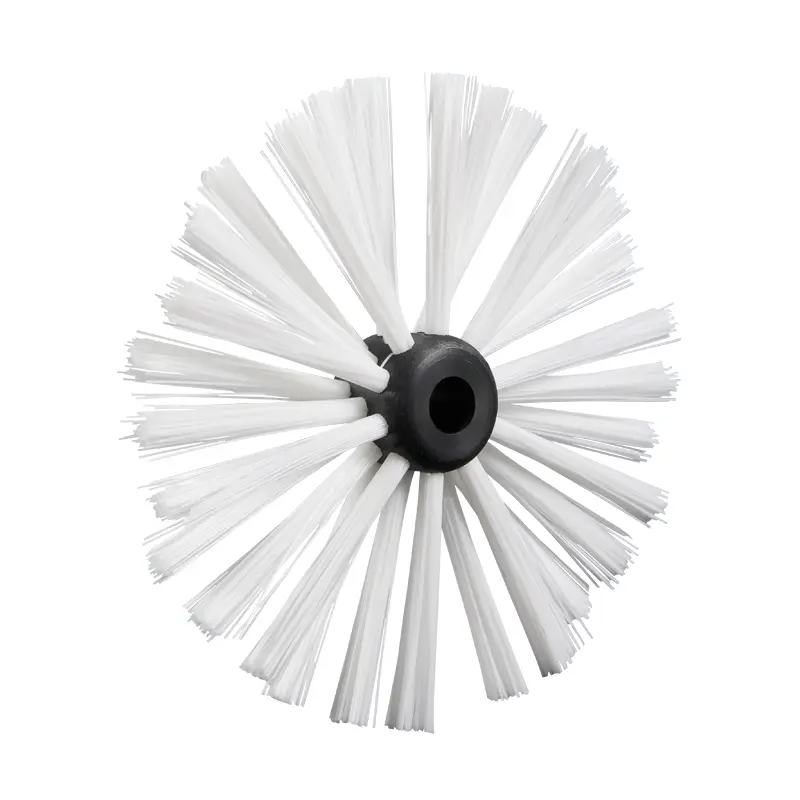
There is no single replacement schedule that works for every application. The right timing depends on the brush material, operating speed, contact pressure, working environment, and the type of surface being treated. Instead of relying on operating hours alone, it is more practical to watch for visible wear and changes in performance. These signs can help you decide whether routine maintenance is enough or whether a replacement is the better option.
Industrial Roller Brush Wear: Bristles Become Damaged or Misshapen
One of the clearest signs of industrial brush wear is a change in the bristles themselves. Over time, repeated contact with rough surfaces, abrasive particles, heat, or chemicals can cause bristles to bend, break, flatten, or lose their original shape. Once this happens, the brush may no longer maintain consistent contact with the workpiece.
A small amount of wear does not automatically mean the brush needs replacing. However, if large sections of bristles are missing, permanently deformed, or significantly shorter than the surrounding areas, the brush may struggle to perform its intended task. Uneven bristle height can also create inconsistent pressure across the working surface.
Regular visual inspections make it easier to identify these changes before they affect production quality. Check the brush when the machine is safely shut down, paying attention to areas that experience the most friction. If the bristles have lost their working shape across a substantial portion of the roller, replacement is usually worth considering.
Cleaning Performance Starts to Decline
A roller brush may look reasonably good and still fail to deliver the results it once did. For example, a brush used to remove dust, residue, or surface contaminants may begin leaving material behind. In polishing or finishing applications, the treated surface may become less uniform, even when the machine settings have not changed.
Before replacing the brush, check whether another factor is responsible. Incorrect contact pressure, unsuitable operating speed, a change in the material being processed, or residue trapped between the bristles can all affect performance. Cleaning the brush and reviewing the machine settings may solve the problem without requiring a new one.
If performance remains poor after these checks, the bristles may have lost the flexibility, length, or contact characteristics needed for the job. This is an important point when evaluating industrial brush maintenance: maintenance can remove contamination and correct operating issues, but it cannot restore bristles that have been permanently worn down or damaged.
Uneven Wear Appears Across the Roller
An industrial roller brush should work consistently across its intended contact area. When one end wears much faster than the other, or certain sections become noticeably flatter, the problem may involve more than normal aging. Uneven wear can result from misalignment, inconsistent contact pressure, an unbalanced load, or repeatedly processing material in the same position.
This type of wear matters because it can reduce cleaning coverage and create uneven results. In some applications, operators may compensate by increasing pressure or changing machine settings. While this might improve results temporarily, it can also put additional stress on the brush and equipment.
Inspect the roller along its full length rather than checking only the most visible section. If the wear pattern is uneven, first investigate mounting accuracy, shaft condition, and workpiece positioning. Replacing the brush without addressing the underlying cause may simply lead to the same problem again. When the bristles have already worn beyond an effective working condition, however, installing a properly matched replacement can restore more consistent contact.
Unusual Vibration, Noise, or Operating Resistance Develops
Changes in how a machine sounds or runs can also signal a problem with its roller brush assembly. Damaged bristles, uneven brush wear, or material buildup may affect how the brush contacts the workpiece. In severe cases, the brush may contribute to vibration, inconsistent rotation, or increased operating resistance.
These symptoms should not automatically be blamed on the brush. Worn bearings, a bent shaft, loose mounting hardware, and drive-system problems can produce similar signs. Stop the equipment according to the manufacturer’s safety procedures and inspect the assembly before deciding what needs to be replaced.
If the brush itself is damaged or has become significantly unbalanced, continued operation may affect processing quality and place additional stress on connected components. Replacing the brush can be appropriate once the source of the problem has been identified. If the cause lies elsewhere, repairing the relevant machine component is more effective than repeatedly changing brushes.
The Brush No Longer Meets Your Process Requirements
Sometimes, a brush reaches the end of its useful service life without obvious breakage or severe deformation. The production process may have changed, the workpiece material may be different, or the required surface finish may have become more demanding. A brush that worked well under the original conditions may no longer provide the desired result.
For example, a cleaning operation may require more consistent removal of fine particles, while a finishing process may need a different level of bristle flexibility or contact pressure. In these situations, replacing the brush with an identical model may not solve the problem. Reviewing the brush design and its suitability for the current application is equally important.
This is where an OEM/ODM Customized Roller Brush can be useful. Customization allows buyers to discuss roller dimensions, core construction, bristle material, bristle arrangement, and other specifications with a manufacturer. The goal is to match the brush to the equipment and working conditions rather than simply choosing a replacement based on appearance.
How to Extend Roller Brush Service Life
Good maintenance can help a roller brush perform consistently for longer, although it cannot eliminate normal wear. Start by selecting bristle materials suited to the workpiece, operating environment, and substances the brush may contact. A brush that is too soft, too stiff, or poorly matched to the application may wear prematurely or deliver disappointing results.
Regularly remove accumulated dust and debris using a cleaning method appropriate for the brush material. Inspect the bristles, roller core, shaft, and mounting points, and look for changes in vibration or cleaning quality. Keeping a simple record of operating hours, inspection results, and replacement dates can also reveal patterns that help improve future purchasing decisions.
Avoid using higher contact pressure to compensate for worn bristles without checking the manufacturer’s recommendations. Excessive pressure can accelerate wear and increase the load on the machine. A consistent inspection routine, correct operating settings, and a suitable brush design are generally more effective than waiting until performance drops sharply.
Choosing the Right Replacement Industrial Cleaning Brush
When ordering a replacement, confirm the roller’s overall dimensions, core diameter, shaft or mounting arrangement, and available installation space. You should also consider bristle material, length, density, and stiffness based on the intended cleaning or processing task. Sharing these details with a supplier makes it easier to identify a compatible product.
For unusual equipment or demanding applications, a standard model may not provide the best fit. A manufacturer offering custom brush production can help assess the required specifications and discuss suitable design options. Before placing a large order, it is sensible to confirm compatibility and, where practical, evaluate a sample under actual operating conditions.
Choosing the right industrial Cleaning Brush is not just about finding a product that fits the machine. It is about achieving consistent results, avoiding premature wear, and keeping maintenance costs under control. If your current roller shows repeated wear problems, reviewing both the brush specifications and operating conditions can help you make a more reliable replacement decision.
FAQ
1. How often should an industrial roller brush be replaced?
There is no universal replacement interval. Brush life depends on bristle material, operating conditions, contact pressure, working hours, and the surface being treated. Regular inspections and performance checks provide a more reliable basis for replacement.
2. Can an industrial roller brush be repaired instead of replaced?
Minor contamination or certain installation issues may be resolved through cleaning or adjustment. However, extensive bristle loss, permanent deformation, or wear that affects performance usually calls for replacement. The appropriate choice depends on the brush design and the extent of the damage.
3. What causes an industrial roller brush to wear out quickly?
Common causes include excessive contact pressure, abrasive materials, unsuitable bristle selection, continuous heavy-duty operation, and incorrect installation. Identifying the cause helps prevent the same wear problem from affecting the next brush.
4. Is a customized roller brush better than a standard brush?
Not in every situation. A standard brush may be sufficient for common applications, while a customized model can be useful when equipment dimensions, bristle specifications, or working conditions require a closer fit. The best option is the one that meets the actual process requirements.